The thesis in one sentence
Wherever Islam went as a conqueror, it inherited a civilization more advanced than itself, used that civilization for two or three centuries, and then strangled it. Persia, Egypt, Carthage, Syria, Mesopotamia, Buddhist Indonesia, Greco-Buddhist Central Asia. All of them produced more before Islam than after. Europe is the single large civilization that fought back, won, and kept innovating. That fight has a name. It is called the Reconquista.
The Islamic Golden Age was not Islamic. It was Persian, Greek, Egyptian, and Indian, written in Arabic letters, financed by conquest, and snuffed out the moment the dogma hardened.
The two men who saved Europe
If you had to pick a single human being who saved Christian Europe from being absorbed by the Caliphates, you cannot pick one. You need two.
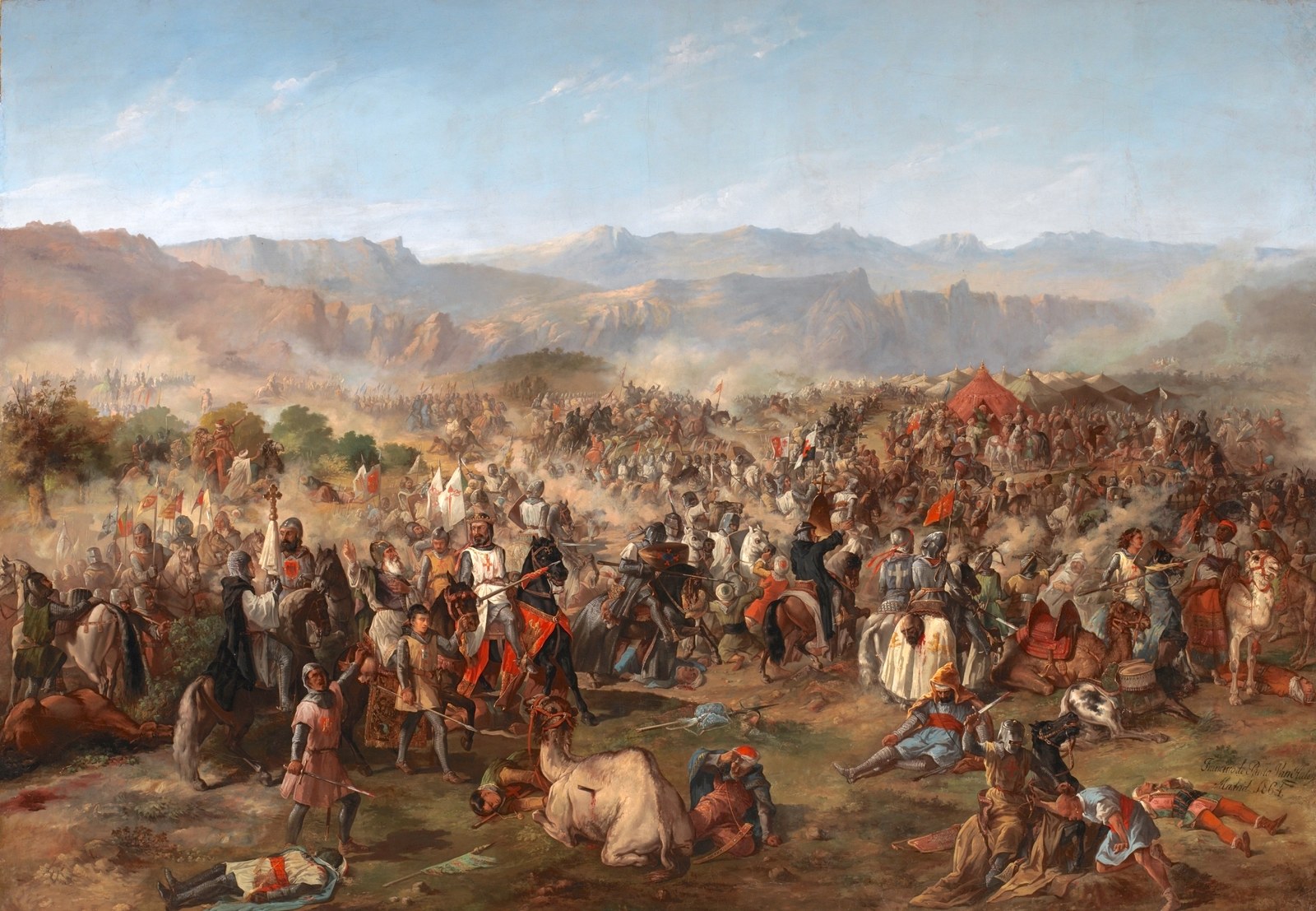
Alfonso VIII of Castile (1155-1214)
In 1212, at Las Navas de Tolosa, Alfonso VIII led a Christian coalition that shattered the Almohad Caliphate. Until that day, the Reconquista had been a five-century stalemate of small victories and crushing defeats. After that day, the Muslim power in Iberia was a corpse on a long timer. It took 280 more years to finish, but the outcome was decided in one afternoon.
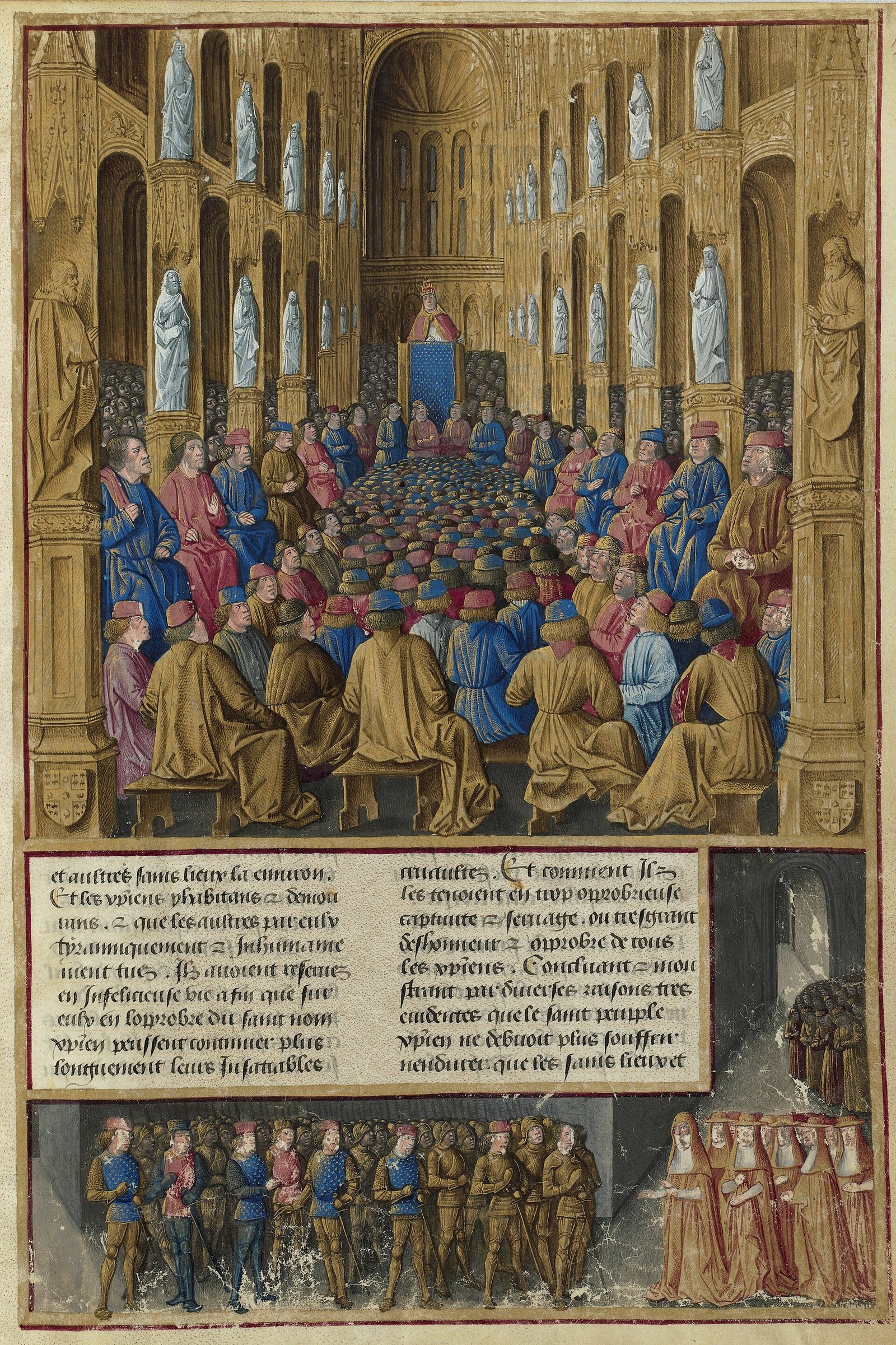
Pope Urban II (c. 1035-1099)
In 1095, at the Council of Clermont, Urban II turned the chaotic violence of European feudal nobility outward, toward Jerusalem, with a single sentence: Deus lo vult - God wills it. Without that speech, the Crusades never happen, and the constant Islamic pressure on the eastern flank of Europe is met by nothing but disorganized local resistance.
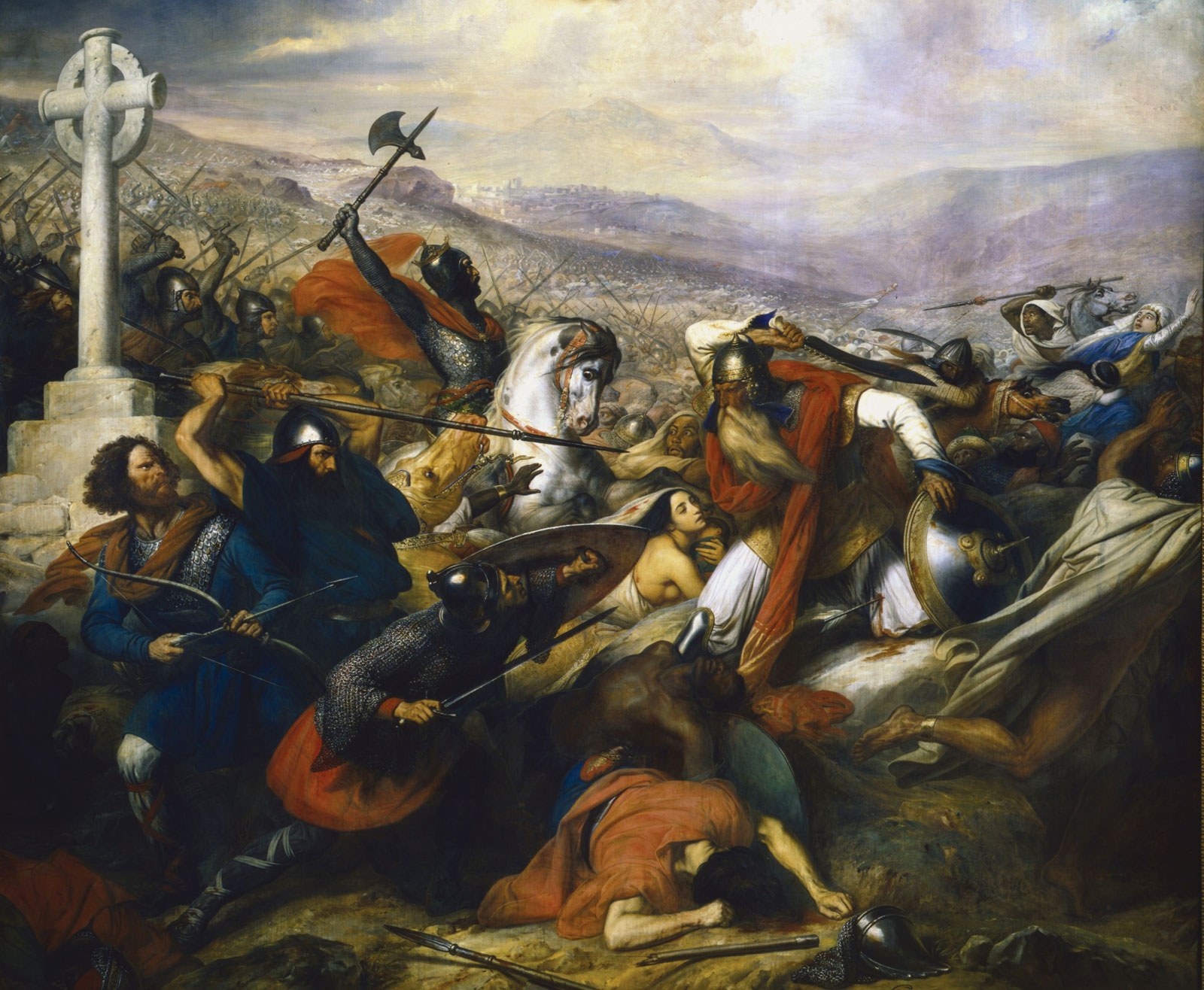
Add a third name and you have the full picture: Charles Martel, who at the Battle of Tours in 732 stopped the Arab-Berber column 200 km south of Paris. If Martel loses that day, France is Andalusia, and there is no Charlemagne, no Holy Roman Empire, no Reconquista to begin in the first place.
Who actually invaded? Arabs, Berbers, Seljuks, Ottomans
People say "the Muslims invaded Europe" as if it were one army with one face. It was four different peoples, in four different centuries, on four different fronts. Knowing this matters, because it shows the pressure was not a single event. It was a continuous 1000-year siege.
- The Arabs (7th-8th century). The original wave. From the Arabian peninsula, in 80 years, they took Syria, Egypt, North Africa, and Spain. They are who Charles Martel met at Tours.
- The Berbers / Moors (8th-13th century). Indigenous North Africans converted by the Arabs. The Almoravids and Almohads who held Spain were Berber dynasties, not Arab. Alfonso VIII broke the Almohads.
- The Seljuk Turks (11th-13th century). Central Asian nomads converted to Islam. They beat the Byzantines at Manzikert in 1071, started harassing Christian pilgrims to Jerusalem, and triggered Urban II's call for the First Crusade.
- The Ottoman Turks (14th-20th century). The successor of the Seljuks and the longest-lasting Islamic power against Europe. They took Constantinople in 1453, conquered the Balkans, and besieged Vienna in 1529 and 1683.
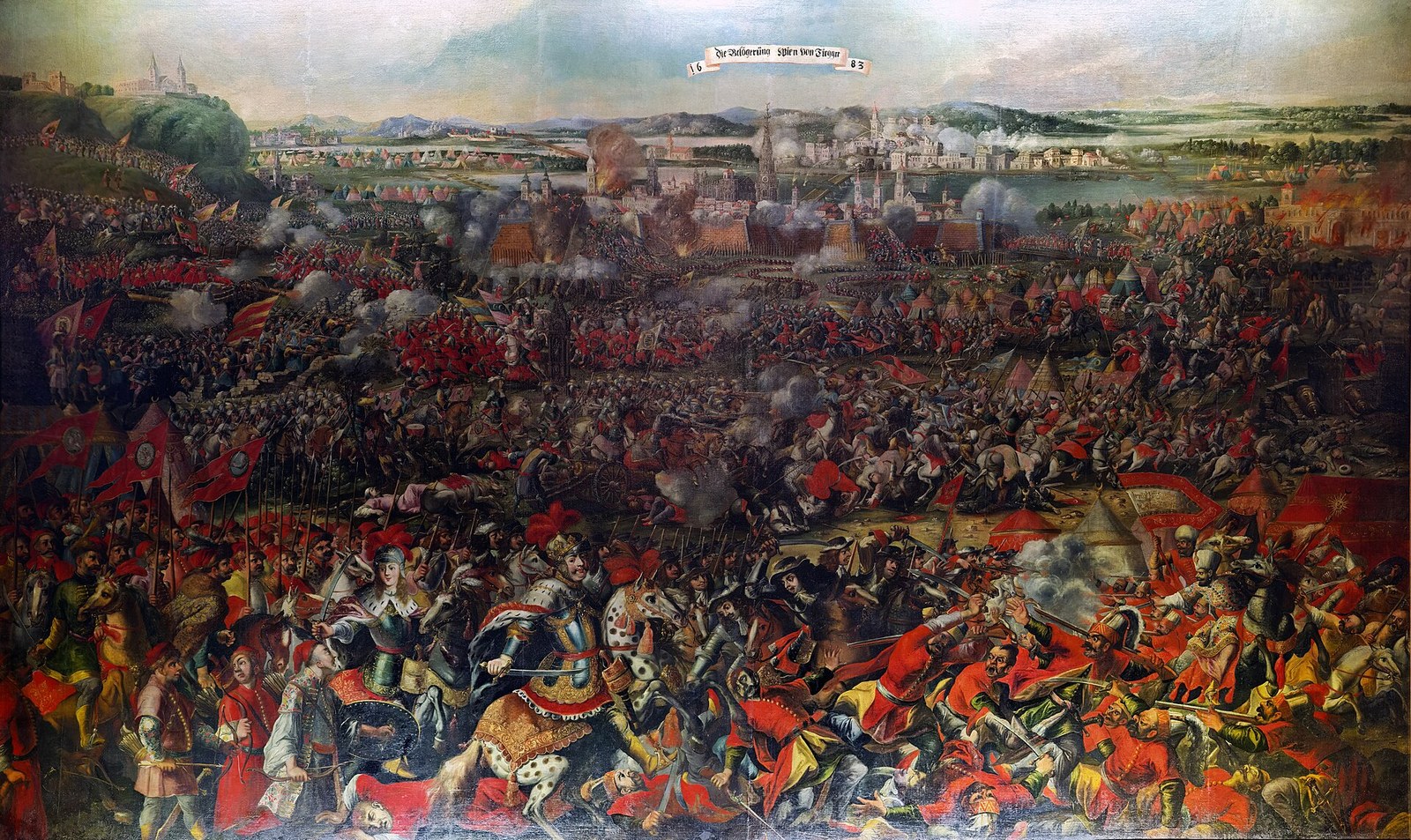
Different peoples, one banner. To Europe, it did not matter whether the cavalry charging the gates was Arab, Berber, Seljuk, or Ottoman. They came with the same flag, the same law, and the same demand: submit, convert, or pay the tax of the conquered.
Reconquista (781 years) vs Crusades (200 years)
Most people confuse the two. They were not the same war.
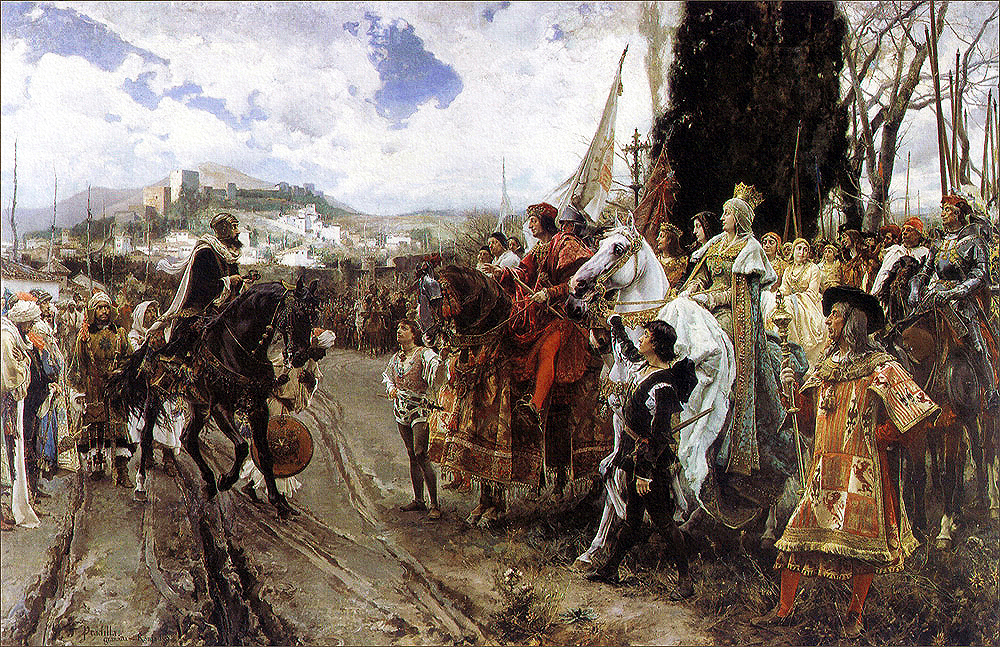
The Crusades got the headlines because they had Jerusalem in them. The Reconquista had something more important: it had territory, demographics, and time. It is the only example in history of a Muslim-conquered land taken back in full by its prior civilization.
The "Islamic Golden Age" was mostly Persian
This is the part of the story modern textbooks soften. We are told that between roughly 800 and 1200, while Europe was in the dark, the Islamic world produced Avicenna, Al-Khwarizmi, Al-Razi, the House of Wisdom in Baghdad, algebra, optics, modern medicine. All of that is true. But almost none of it is Arab.
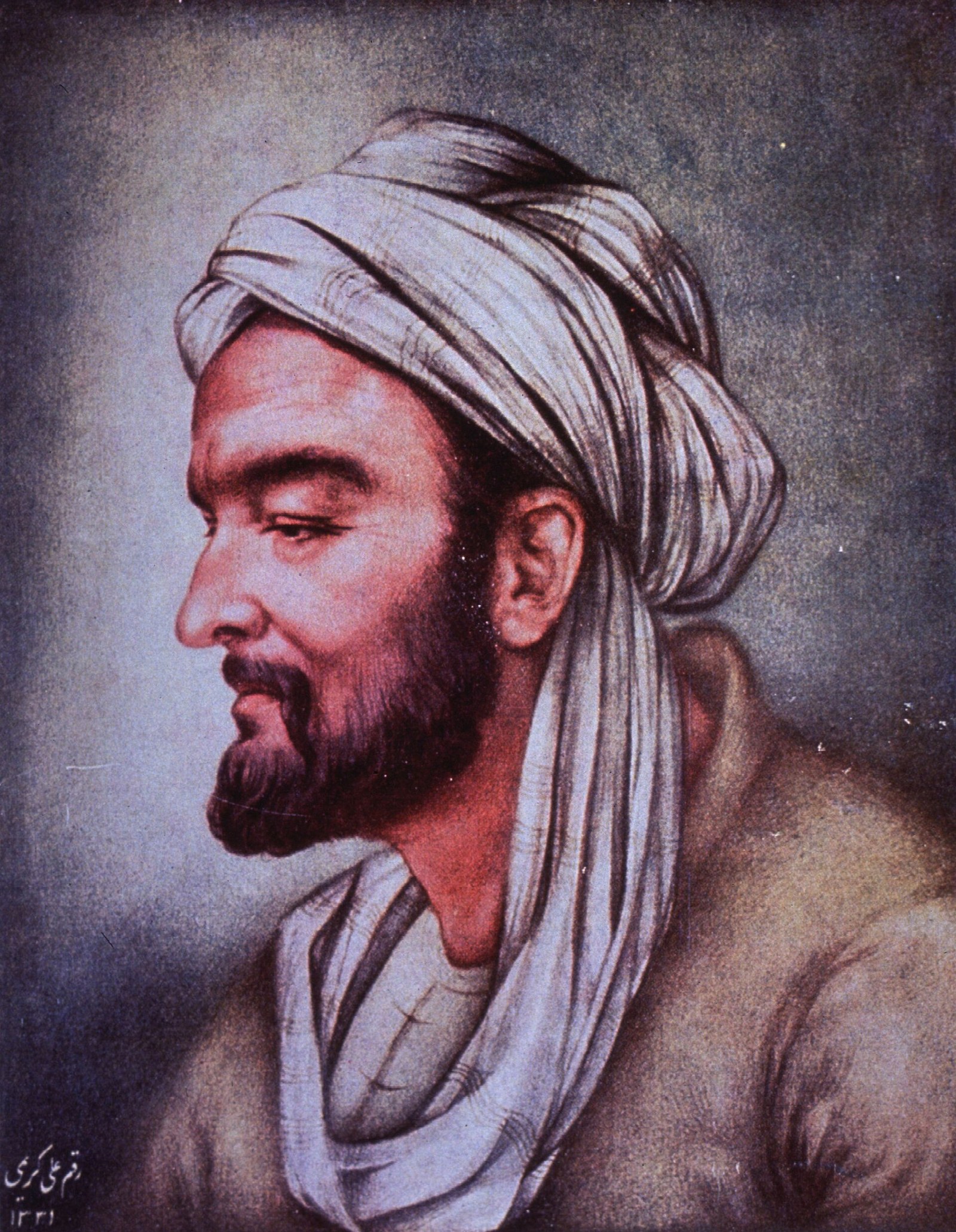
Avicenna (Ibn Sina), c. 980-1037
Persian. Born near Bukhara, in modern Uzbekistan. His Canon of Medicine was the standard medical textbook in European universities for 600 years.
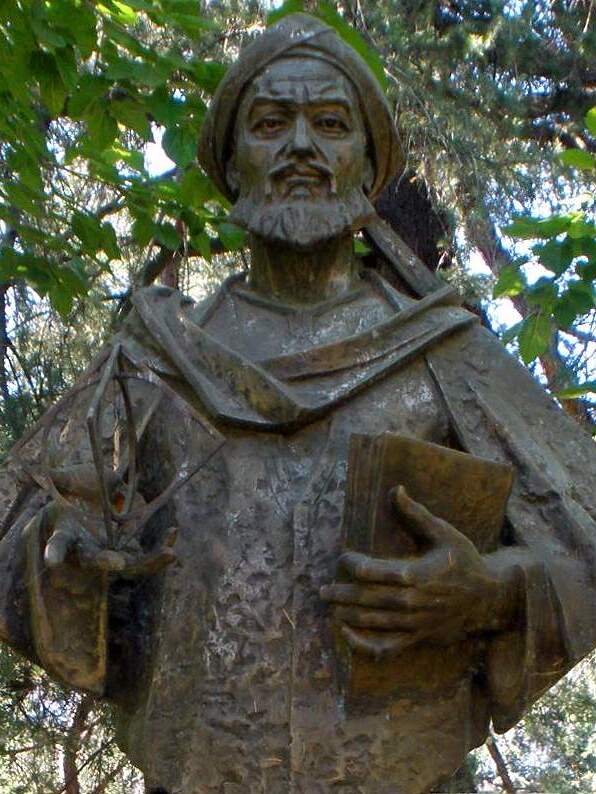
Al-Khwarizmi, c. 780-850
Persian. Born in Khwarezm, modern Uzbekistan. Gave us the words algebra (al-jabr) and algorithm (a Latinization of his name). The numerals he used were imported from India.
Where the rest came from
- Greek logic, philosophy, geometry, astronomy - inherited from Alexandria, Antioch, and the Byzantine east. Translated by Syriac Christians, then read in Arabic.
- The decimal system, the zero, trigonometry - imported from India.
- Paper - taken from Chinese prisoners after the Battle of Talas, 751.
- Administration, postal systems, court culture - inherited from Sassanid Persia.
What did Islam itself contribute? Three real things, and they are not small: the Arabic language as a unifying scientific lingua franca, an imperial peace large enough to move ideas from China to Spain, and generous patronage by caliphs with treasure looted from conquest. That is real. But the engine, the actual minds doing the thinking, were Persian, Greek, Indian, Christian, and Jewish.
Islam supplied the language. Persia supplied the brain.
Before 800 AD: Arabs were nobody
This is the part of history that is almost never taught. Before Muhammad united the tribes, the Arabs were not a major civilization. They were not even a minor one. They were tribal pastoralists in a peninsula nobody wanted, mostly polytheist, with no cities of consequence, no fleets, no scientific tradition, no written literature beyond oral poetry.
Meanwhile, the four civilizations they would soon conquer were among the oldest and richest on earth:
- Persia (Sassanid Empire): 1500 years of urban civilization behind it. Universities, hospitals, irrigation, an imperial bureaucracy modeled on 1000 years of prior empire.
- Egypt: 3000 years of recorded civilization. Granary of the Mediterranean. Heir to Alexandria.
- Roman North Africa: the home of Augustine of Hippo, of Carthage, of Latin theology and trade.
- Eastern Roman Empire (Byzantium): 700 years of unbroken Roman law and Greek philosophy.
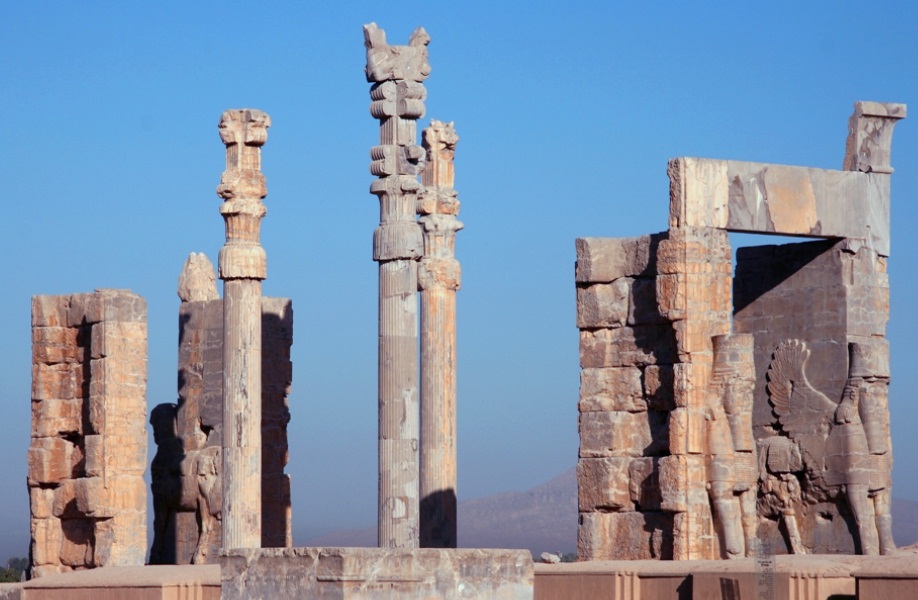
In 80 years, between roughly 632 and 711, the Arabs - newly unified by Islam, militarily fanatical, and meeting two empires (Byzantium and Persia) that had just exhausted each other in a 30-year war - conquered all four. They did not build that wealth. They walked into it.
The 400-year overtake: 800-1200 vs 1400-1800
Two windows. Same length. Opposite outcomes.
Window 1: The Islamic centuries, 800-1200
| Field | Islamic world | Europe |
|---|---|---|
| Cities | Cordoba and Baghdad: 400-500K, paved streets, public lighting, sewers | Paris and London: under 20K, mud, no sewers |
| Medicine | Public hospitals, surgery, pharmacology | Relics, prayer, bleedings |
| Mathematics | Algebra, decimal numerals, trigonometry | Roman numerals, abacus |
| Books | Hand-copied, but tens of thousands per major library | Hand-copied in monasteries, hundreds of titles |
| Literacy | Urban elites widely literate | Probably under 5% |
Window 2: The European centuries, 1400-1800
| Field | Europe | Islamic world |
|---|---|---|
| Printing press | Gutenberg, ~1450. Books explode in number and price falls 99% | Banned for religious reasons until 1727. Lost 280 years. |
| Science | Galileo, Newton, the experimental method | Closed; ijtihad (independent reasoning) discouraged |
| Exploration | Americas, India route, Pacific, full world map | Confined to Mediterranean and Indian Ocean |
| Politics | Parliaments, constitutions, the rights of man (1789) | Absolute sultanates; subjects, not citizens |
| Industry | Steam engine, railways, factories, electricity | Mostly agriculture and craft |
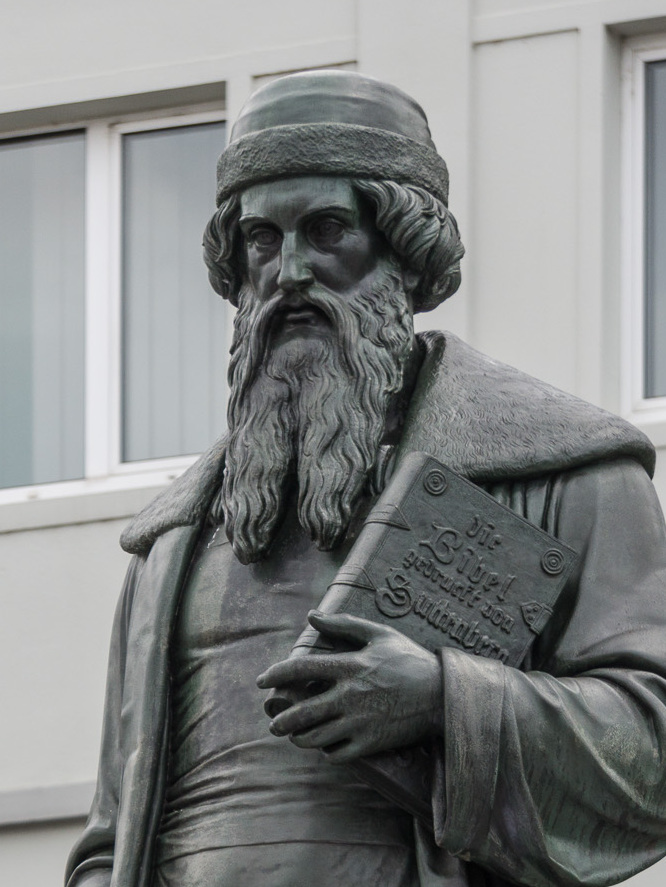
In Window 1, Islam had Persia inside it. In Window 2, Persia was still inside it but had stopped producing. The infrastructure was the same. The result was opposite. What changed was not the people. What changed was how much room those people had to think.
Persia: a flower 1500 years old, killed in 400
Persian civilization was not built by Islam. It was built over 1500 years, on the shoulders of Mesopotamia and Egypt, by an Indo-European people who arrived on the Iranian plateau around 1000 BC. By the time of Cyrus the Great in the 6th century BC, they had already invented:
- The world's first multi-ethnic empire that did not destroy local cultures.
- A working postal road system (the Royal Road, used as the model for the Roman cursus publicus).
- A monotheistic ethical religion (Zoroastrianism) centuries before Christianity.
- The first declaration of human rights (the Cyrus Cylinder, 539 BC, displayed today at the British Museum).
By the Sassanid period (224-651 AD), Persia had Gundishapur, an academic city where Greek, Indian, Syriac, and Persian scholars worked together on medicine, astronomy, and philosophy. This is the institution the Arabs took over and re-named.
Then in 651, the last Sassanid emperor was killed. Within two centuries, fire temples were closed, Pahlavi scripts were marginalized, the population converted under tax and social pressure, and the Persian language survived only by switching to Arabic letters.
Persia kept producing for a few more centuries because the inertia of a 1500-year-old civilization is enormous. Avicenna in the year 1000 was still operating with Sassanid intellectual tools. But by 1200, after the closing of ijtihad and the Mongol sack of Baghdad in 1258, the lights go out. By 1500, Persia is no longer the brain of the civilized world. By 1900, it is poor. By 2025, it is a theocracy.
A flower that took 1500 years to grow was choked in 400 and never bloomed again.
Indonesia: Borobudur was bigger than any mosque
Most people do not know this: Indonesia, today the largest Muslim-majority country in the world, was Hindu and Buddhist for over 1000 years before Islam arrived. And it was not a backwater. It produced one of the most important monuments of human civilization.
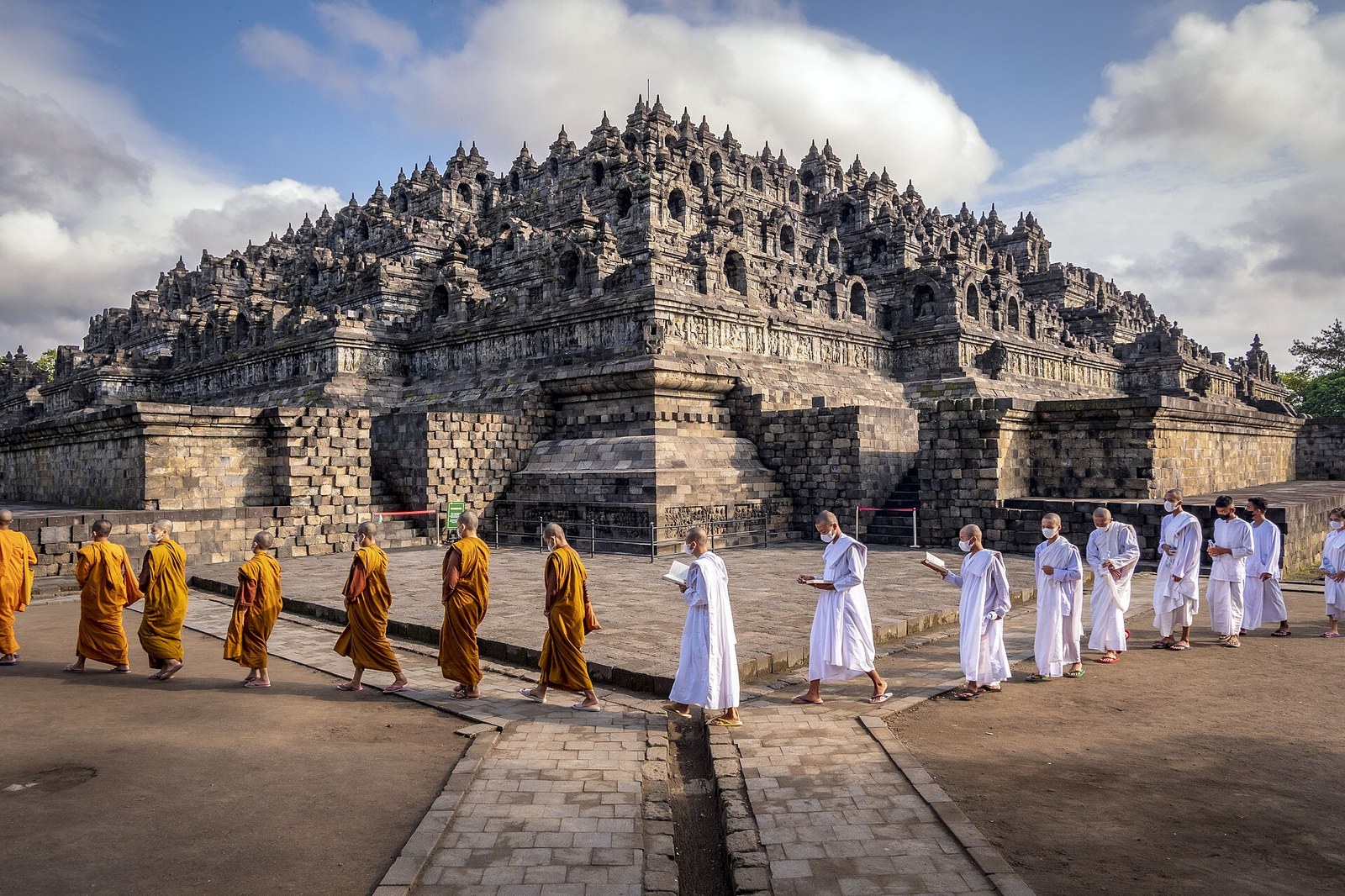
Borobudur was completed around 800 AD. Prambanan, a Hindu temple complex, around 850. They were built when the Javanese kingdoms were trading with China, India, and Persia and were centers of mathematics, astronomy, dance, music, philosophy, and metallurgy. The local culture was syncretic, refined, and produced literature in Sanskrit and Old Javanese.
Islam arrived later, slowly, and at first peacefully, through merchants, beginning in the 13th century. For a few hundred years it blended with the older spirituality. But starting in the 19th and especially the 20th century, Saudi-funded Wahhabi missionary work pushed Indonesia toward a much harder, more standardized Islam. Today, the legal system contains regional Sharia, the cultural memory of Borobudur is treated by some preachers as embarrassing or pagan, and traditional dance and music face periodic religious pressure.
Nobody is building another Borobudur. The civilizational ceiling came down.
The other killed flowers: Carthage, Levant, Bamiyan
The pattern is not Persia and Indonesia alone. It repeats wherever Islam landed as a conqueror.
Roman North Africa
Before the Arab conquest of the 7th century, the Maghreb (Tunisia, Algeria, Libya) was one of the wealthiest Latin-speaking provinces of the Mediterranean. It produced Augustine of Hippo, arguably the most influential Christian thinker after Paul. Cities like Carthage, Hippo Regius, and Leptis Magna had aqueducts, amphitheaters, schools of rhetoric, and a deep Latin Christian intellectual life.
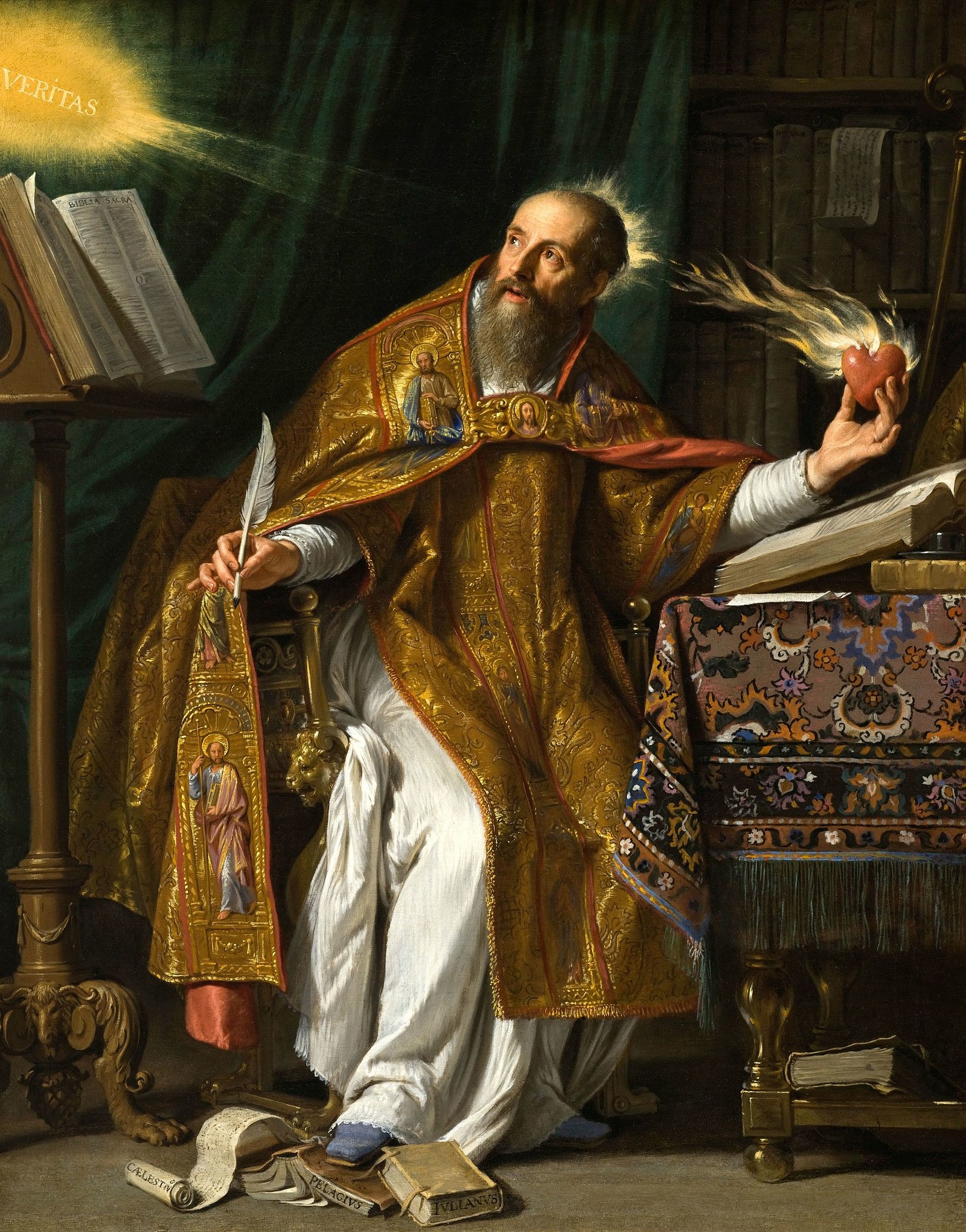
After the conquest, Latin disappeared. The Christian church, once dominant, was reduced to small minorities and finally extinguished. The cities decayed. The agricultural infrastructure built by Rome was not maintained. The intellectual continuity that produced Augustine was severed and never restored. The region became a periphery of the Caliphate, then of the Ottomans, then of European colonialism, then of postcolonial poverty.
The Levant
Syria and Lebanon were the bridge between Greece, Rome, and Persia. Antioch and Damascus were two of the most important Christian cities in the world; Syriac-speaking Christians were the actual translators who handed Greek philosophy to the early Arab caliphs. Without these Christian scholars, there is no "Islamic" Golden Age to speak of.
Today, Christians are 1-2% of Syria, dropping every decade.
Buddhist and Greco-Buddhist Central Asia
Modern Afghanistan, Uzbekistan, and Tajikistan were once a hinge of world culture. They received Greek artistic influence from the conquests of Alexander the Great, fused it with Indian Buddhism, and produced the Greco-Buddhist art that defined Buddhist iconography for the rest of Asia. Samarkand was a global trading and intellectual hub on the Silk Road.
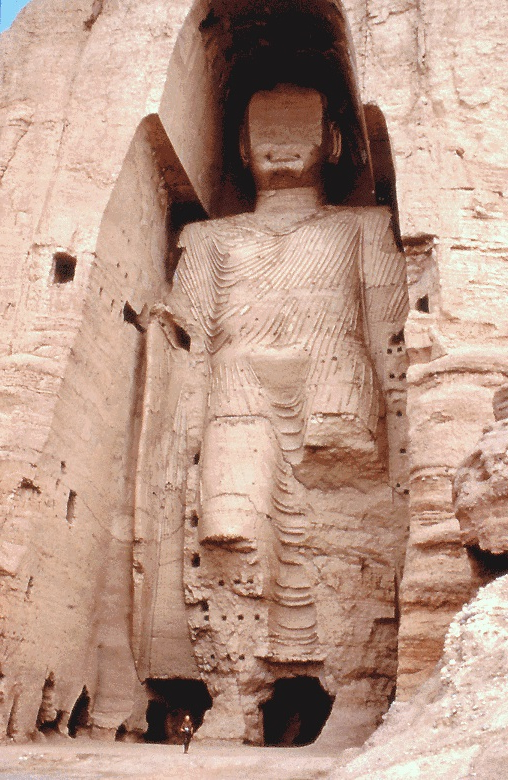
The Bamiyan Buddhas were carved in the 6th century AD. They survived 1500 years. They were destroyed with explosives by the Taliban over several days in March 2001, in front of cameras, while the world watched. This is not a metaphor. This is the pattern made literal.
Why they stopped innovating: the closing of the door
The standard question is: if the Islamic world was so far ahead in 1100, why did it fall behind so fast? There are four answers, and you need all four together.
- The closing of ijtihad. Around the 11th and 12th centuries, the dominant Sunni schools of law decided that the major questions of jurisprudence had been settled. Independent reasoning was discouraged. The implicit message extended to philosophy and natural science: the answers are in the Book. If your finding contradicts the Book, you are wrong.
- No separation of religion and state. In Christian Europe, the centuries-long fight between Pope and Emperor accidentally created room. Universities, banks, and city republics could grow in the gap. In the Caliphate, the Caliph was both. There was no gap. Innovation that displeased the religious authority had nowhere to hide.
- The ban on the printing press. The Ottoman Empire formally restricted printing in Arabic script from the 1480s until 1727. Two and a half centuries. While Europe printed Newton, Galileo, Descartes, and Voltaire by the millions of copies, the Ottoman world copied books by hand.
- Insecure property under absolute rulers. A merchant in Istanbul who became too rich risked confiscation by the Sultan. A merchant in Amsterdam or London did not. Over centuries, that single difference decides where the world's capital, talent, and ambition go.
The civilization did not run out of intelligence. Persians, Egyptians, Levantines, and Anatolians have always been intelligent and remain so. It ran out of permission to think freely. That is not a small bug. That is the engine of every modern miracle.
The cycle: how Islam created its own opposite
Now the uncomfortable part. Europe did not save itself by being nice. To survive a totalizing religious empire on its border, Europe became, for several centuries, a totalizing religious project of its own.
The Inquisition is unthinkable without the Reconquista. Eight centuries of holy war on Iberian soil produced a culture obsessed with religious uniformity, with limpieza de sangre (purity of blood), with rooting out hidden Muslims and hidden Jews. This was monstrous. It was also a direct mirror of what the Caliphate had been doing to its own minorities for centuries.
When you fight a monster long enough, you build a smaller monster to win, and then you have to figure out how to put your monster down too.
The miracle of Europe is that it did, eventually, put it down. The Renaissance, then the Reformation, then the Scientific Revolution, then the Enlightenment, then the secular republic. Five waves of internal revolt against the very Church-State machine that had saved the continent from Islamic conquest. Europe killed its inquisitors. The Caliphate never killed its.
This is the difference no one wants to say out loud. Europe is not better because it was kinder. Europe is better because, after winning, it had the cultural courage to dismantle its own war machine. The Islamic world, having lost its window, kept its war machine running into the modern age, where it produces almost no science, almost no technology, no Nobel laureates outside the diaspora, and a great deal of religiously-justified violence.
France 2025: the firewall is gone
Now look at the map. The Reconquista won Spain back in 800 years of war. Charles Martel held Tours in 732. Sobieski held Vienna in 1683. The line was drawn in blood and held for 1300 years. Inside the line, civilization kept innovating. Outside the line, it stagnated.
Today, that line is no longer a wall. It is a passport queue. France is on track for somewhere between 15 and 20 percent Muslim population this century, on current trajectories. Western Europe as a whole follows with a lag. This is not happening because of an army. It is happening because of a birth rate, a welfare state, and an immigration policy.
The historical figures we opened with - Alfonso VIII, Urban II, Charles Martel - would not understand this picture. Not because they would oppose it ideologically (they would, of course), but because the mechanism would be foreign to them. They would say: we spent eight centuries fighting cavalry. You let in millions, on your own ships, and paid for their housing. There is no battle. There is only the tally on the maternity ward.
This is not a call for a new Inquisition. We just spent a section explaining why that road ends in horror. It is a call for clarity. The pattern is real. Pretending it isn't is how Persia, Egypt, Carthage, and Indonesia stopped being themselves.
The verdict
Three things are true at once, and you need all three to think about this clearly.
- The Islamic Golden Age was real, and it was mostly Persian, Greek, and Indian, written in Arabic. Crediting Islam alone for it is like crediting the building owner for the work of the tenants.
- Every major civilization Islam conquered eventually collapsed below where it had been. Persia, Egypt, Carthage, the Levant, Buddhist Central Asia, Hindu-Buddhist Indonesia. The pattern is not an opinion. It is a list of cities, dates, and ruins.
- Europe is the single large exception. Not because Europe was uniquely virtuous - the Inquisition settles that - but because Europe fought back for a thousand years, won, and then had the cultural strength to reform itself afterward.
This site is named The Reconquista because the Reconquista is the proof of the only known successful exit from the pattern. It took 781 years. It cost a continent of blood. It is the single piece of evidence that this fate is not sealed - if a civilization is willing to remember what it is, defend it, and pay for that defense in time and discipline.
Every civilization that forgets the Reconquista becomes the next Persia.
If you read this far, the rest of this site is the textbook to this thesis. Start with the complete timeline, battles, key figures.